
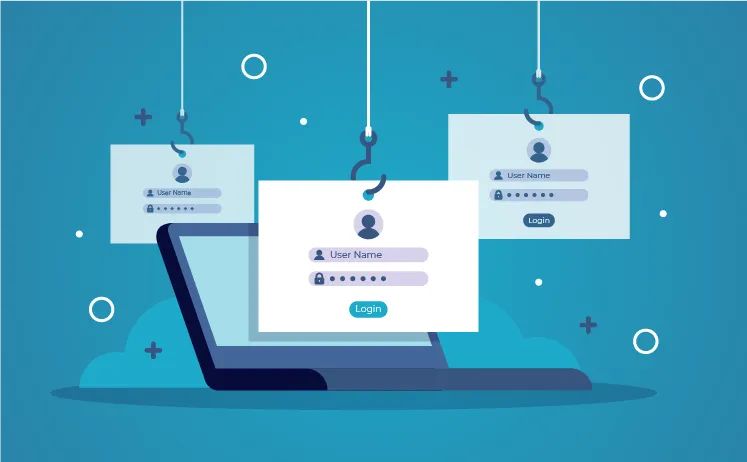


Email phishing attacks have greatly increased during the COVID-19 pandemic. While professionals are relying on email correspondence more than ever due to remote work, cyber attackers are taking advantage of the condition. They mostly disguise themselves as close professional connections and reliable sources.
Watch out for:
► Emails, websites, and apps claiming to be from organizations offering information on the virus.
► Phishing emails asking for personal information in order to provide economic stimulus from the government or airline carrier refunds, asking for contributions to charitable organizations, cures, vaccines, etc.
► Misspelled domains with links, for example, an address that should end in .gov ends in .com instead. If you are not sure, check on the official website of the organization.
Do not:
► Click links and/or open attachments from the senders you do not trust as malware can be delivered to your computer in order to steal personal information or lock your computer and demand payment.
► Send your personal information via email or robocall.
Consult FBI’s internet crime prevention tips here.
If you believe you are the victim of an Internet scam or cyber crime, or would like to report suspicious activity, file a complaint to the relevant authority.