



ÄRZTEKASSEModernising medical billing for thousands of physicians
Practice management and billing software supporting medical and therapy practices.
End-to-end software engineering for
needle-free transdermal drug delivery
- Firmware + App
- Software spanning device firmware, communication and application layers.
- Microporation
- Needle-free transdermal drug delivery platform.
- Regulated
- Development aligned with medical device requirements and certification support.

SUMMARY
End-to-end software engineering for innovative needle-free transdermal drug delivery, spanning embedded firmware, device communication, application software, system integration and regulatory certification support.
CLIENT & INDUSTRY
Client & industry overview
PassPort Technologies, part of the Taisei Kako Group, develops a novel medical device platform based on microporation technology. The approach is designed to enable needle-free delivery of drugs through the skin, offering an innovative direction for transdermal therapeutics.
PLATFORMS & SCOPE
Products, platforms & scope of work
The microporation-based platform combines specialized device functionality with embedded and application-level software. Coordinated operation across these layers is important for device behavior, user interaction and the engineering evidence required in a regulated medical device environment.
Scope of services & responsibilities
-
EMBEDDED FIRMWARE
Development of device-level firmware supporting the microporation system.
-
DEVICE COMMUNICATION
Engineering the communication between device components and the application layer.
-
APPLICATION SOFTWARE
Development of application-level software supporting device operation and user workflows.
-
SYSTEM INTEGRATION
Integration of firmware, communication and application components into a coordinated solution.
-
REGULATORY ENGINEERING
Development aligned with relevant regulatory requirements and assistance with certification activities.
CHALLENGES
Business need & engineering challenge
The engagement required an integrated software solution spanning device firmware, device communication and application software. Engineering needed to connect the layers into a cohesive system while addressing reliability, maintainability and applicable medical device development requirements.
SOFTWARE ARCHITECTURE
Software architecture & system integration
Panonit’s scope covered the complete software path from the embedded device layer to the user-facing application. This required coordination across firmware, interfaces and application logic rather than development of a standalone software component.
DEVICE COMMUNICATION
Device communication & interfaces
The engineering scope included device communication and integration between the embedded and application layers.
TECHNOLOGY
Technology & engineering expertise
- EMBEDDED SYSTEMS
- Firmware engineering and device-level software development
- SOFTWARE ENGINEERING
- Application software and device-related user workflows
- CONNECTIVITY
- Device communication and software interface integration
- SYSTEMS ENGINEERING
- Cross-layer integration of embedded and application software
- REGULATED DEVELOPMENT
- Medical device software lifecycle considerations and certification support
QUALITY
Quality, verification & validation
The regulated product context calls for traceable engineering, verification of integrated behavior and appropriate documentation. The available project information confirms standards-aligned development and regulatory assistance, but does not specify individual test suites, validation results or formal deliverables.
STANDARDS
Applicable standards & regulatory frameworks
Relevant frameworks for this class of medical device engineering include:
- IEC 62304 — medical device software lifecycle processes.
- ISO 14971 — medical device risk management.
- IEC 60601 series — medical electrical equipment safety and essential performance.
- IEC 62366-1 — usability engineering for medical devices.
- EU MDR and other applicable market requirements — regulatory documentation and conformity assessment context.
DEVELOPMENT APPROACH
Development approach & collaboration
The engagement combined embedded software development, application engineering and system integration, with regulatory considerations incorporated into the engineering scope. Panonit also supported activities associated with the regulatory certification process.
THE RESULT
Results & business impact
Integrated software platform
A coordinated software solution spanning firmware, device communication and application layers.
Product innovation
Software engineering supporting a differentiated needle-free transdermal drug delivery concept.
Regulatory readiness
Engineering aligned with relevant medical device requirements, together with certification-process assistance.
ENGAGEMENT
Engagement & cooperation overview
End-to-end medical device software engineering engagement, encompassing embedded firmware, device communication, application software, system integration and regulatory certification support.


Ready to see what we can do for you?
Tell us about your platform — we’ll share how we’d modernise it without stopping your business.
RELATED CASE STUDIES
More case studies
from our engineers.


NEUMO COURTDigital court management for faster, transparent case handling
Case tracking, scheduling and e-filing unified in one secure system.
Software Engineering
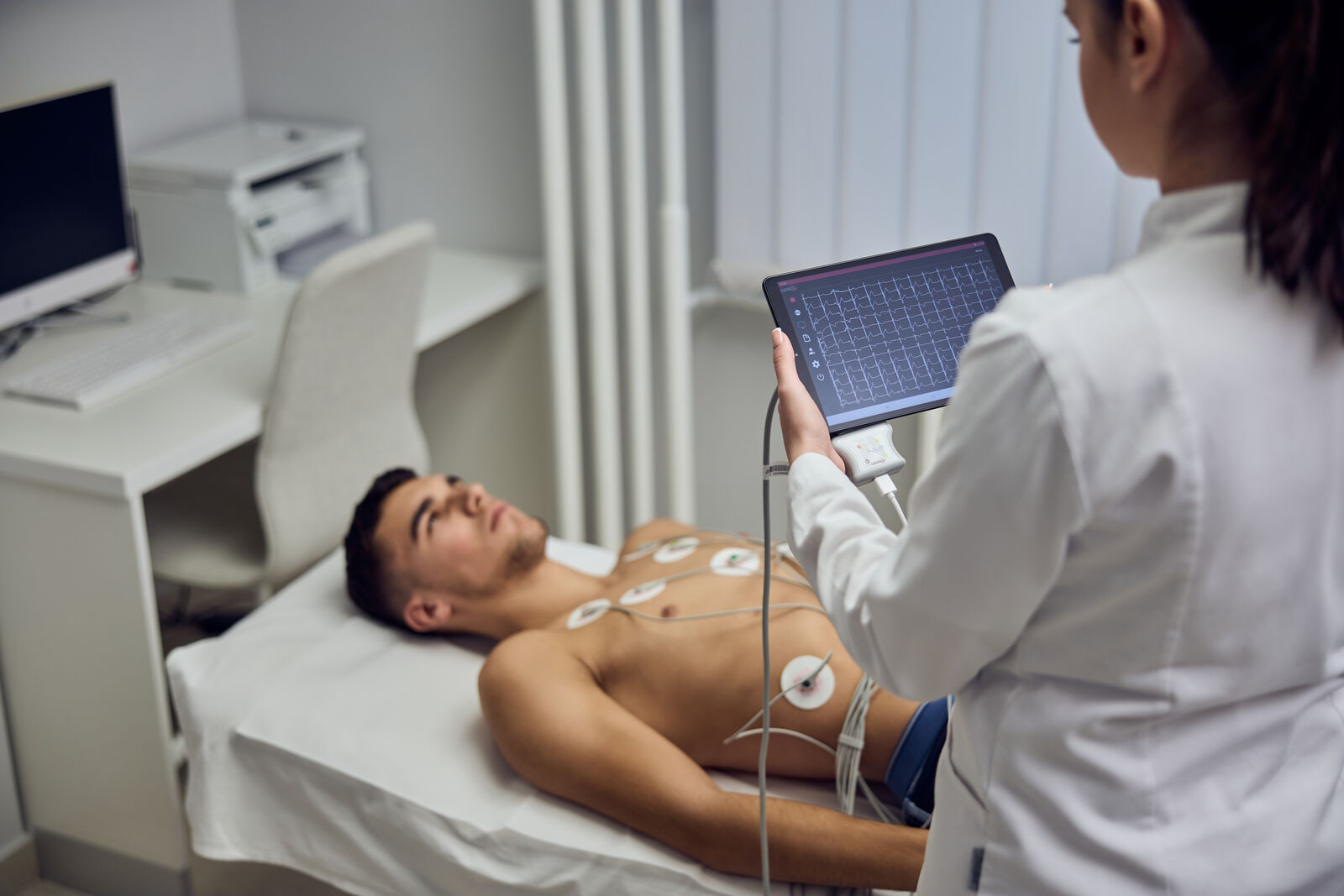
CARDIONSA cardiology platform that improves access to medical information
Clinicians get patient data and diagnostics in a single view.
Product Engineering